No products in the basket.
Branded Workwear
Best Waterproof Coats for Agriculture Teams
03
Sep
Sep
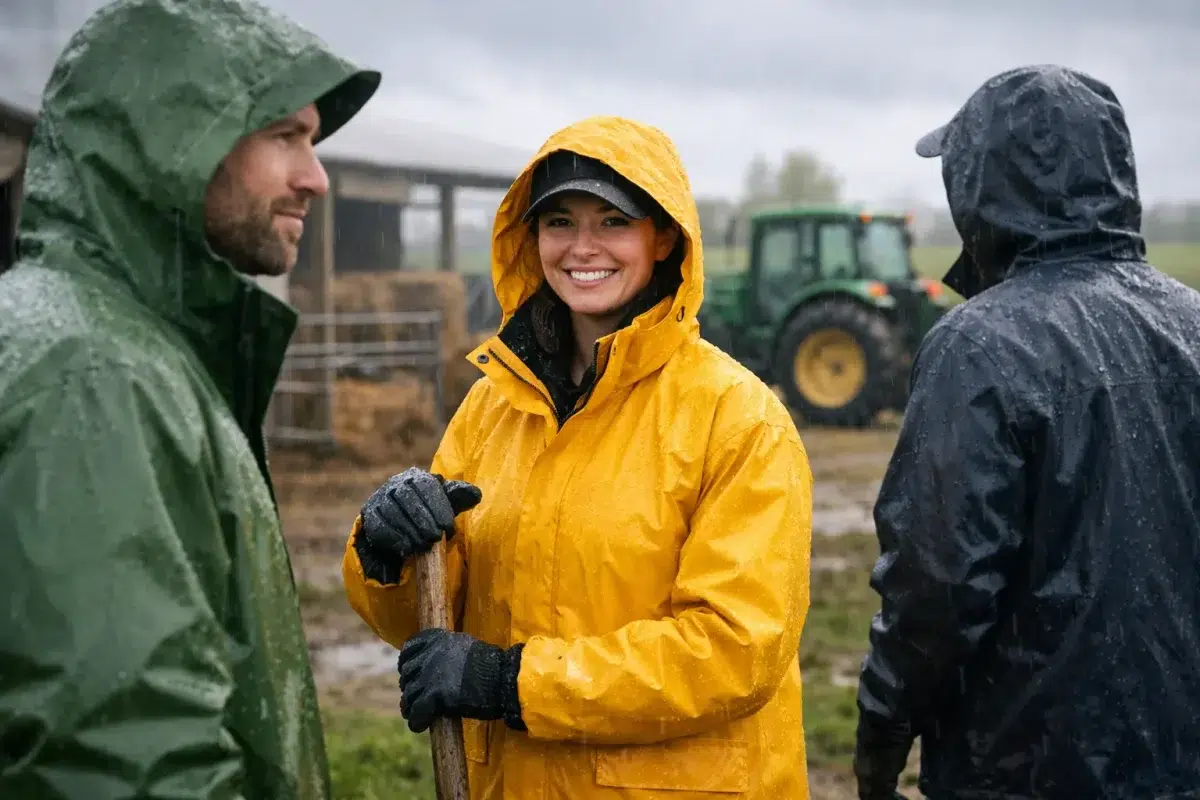
A coat that keeps a stockperson dry for the first hour but wets through by lunchtime is not fit for a working farm. When choosing the best waterproof coats for agriculture, the priority is dependable weather protection through long, physical shifts – without restricting movement, overheating the wearer or creating extra uniform admin for the business.
Agricultural teams work in changing conditions. A morning check in wind and rain can lead into machinery work, loading, fencing, lambing, yard duties or a call-out after dark. One coat will not suit every task or every season. The right choice starts with the job, the exposure and how the garment will be issued, branded and replaced.
What makes a waterproof coat suitable for farm work?
Water resistance is not the same as waterproof performance. A water-resistant jacket may cope with a short shower, but it is not designed for sustained rain or repeated wet-weather use. For staff who work outside for much of the day, select a garment described by the manufacturer as waterproof, with taped seams. Taped seams matter because stitching creates potential routes for water to enter.
Look at the garment specification rather than relying on the word “waterproof” alone. Where a coat is sold to a relevant EN 343 standard for protection against rain, check the stated classification and whether it matches the conditions your team faces. The standard should support your risk assessment, not replace it. A coat also needs to fit properly, allow safe movement and remain serviceable after regular washing.
Farm work puts more strain on outerwear than occasional site visits. Useful construction details include an adjustable hood, a storm flap over the zip, cuffs that seal out rain, a longer back, secure pockets and reinforced areas where practical. A two-way zip can make sitting on machinery easier, while a detachable hood can be useful where snagging is a concern. However, detachable parts are easier to lose, so this is a trade-off worth considering for issued uniform.
Breathability matters when the work is physical
A fully waterproof fabric can feel clammy if it does not let moisture vapour escape. This is particularly noticeable during feeding, mucking out, fencing and walking long distances across fields. Breathable fabrics and practical ventilation help, but no waterproof coat will feel cool during hard work in mild, wet weather.
For active roles, a lighter shell worn over layers is often the most workable option. It allows staff to adjust to the temperature and makes the coat useful across more of the year. For colder, lower-activity roles such as gatehouse, delivery, supervision or early-morning checks, an insulated waterproof coat may be the better choice.
The best waterproof coats for agriculture by task
There is no single best coat for every agricultural operation. Ordering one style for all staff may simplify purchasing, but it can lead to unused garments, poor wear rates and unnecessary replacement costs. A small, planned range is usually more effective.
Waterproof shell jackets for active outdoor work
A waterproof shell is the practical all-round choice for teams that layer clothing underneath. It is lighter than an insulated coat, packs down more easily and can be worn over a sweatshirt, fleece or bodywarmer as conditions change. This makes it suitable for general farm duties, maintenance, grounds work and machinery operators moving regularly between cab and yard.
Choose a shell with enough room across the shoulders and arms. A close-fitting fashion jacket may look neat but can pull across the back when someone reaches a gate, handles feed bags or drives. Check that the hem stays down when the wearer bends or lifts their arms.
Insulated waterproof coats for cold, exposed roles
Insulated coats suit teams who spend extended periods standing, observing or travelling slowly around exposed sites. They can reduce the number of layers a wearer needs and give a more settled, uniform appearance in winter.
The downside is heat build-up. An insulated coat can be too warm for vigorous manual work, especially once the weather turns milder. If your team covers varied duties, consider issuing insulation as a separate fleece or bodywarmer under a waterproof shell. This modular approach usually gives better value across the season.
Longer waterproof coats for yard and livestock duties
Longer coats give more coverage when working in persistent rain, particularly around yards, pens and livestock. They can be a sensible choice where people are regularly standing in wet conditions rather than climbing in and out of vehicles.
Length must not compromise safety. Check clearance around steps, pedals, moving equipment and uneven ground. A long coat that catches at the knee or restricts stride is not appropriate for every role. Features such as rear vents or adjustable hems can help, but the garment should always be trialled in the work it is intended for.
Hi-vis waterproof outerwear for roadside or vehicle areas
Where staff work near public roads, moving vehicles, loading areas or site traffic, hi-vis waterproof clothing may be required by the risk assessment. Select the correct certified garment for the visibility risk and keep it clean enough to perform as intended. Mud, wear and faded fabric can reduce visibility long before a coat is fully worn out.
Do not assume a standard waterproof coat becomes compliant hi-vis PPE because it has a bright colour or reflective print. The base garment and its certification are what matter. Branding also needs careful placement so it does not interfere with reflective tape or required fluorescent areas.
Fit, sizing and issue control prevent wasted spend
The best specification can still fail if staff receive the wrong size. Farm teams need room for layering, but excessively oversized coats catch, flap in wind and make manual tasks harder. Ask suppliers for size charts and, for larger roll-outs, consider sample fitting before placing the full order.
Think about the people wearing the coat, not just the size range on paper. Women-specific fits, extended sizes and sleeve length can make a material difference to comfort and uptake. If workers avoid wearing a coat because the hood blocks their view, the sleeves are too short or the fit is awkward over winter layers, the protection is not doing its job.
For multi-site farms, contractors or seasonal teams, issue control is equally important. Allocate garments by named wearer, department or location, and keep a simple record of size and issue date. Per-employee packing can remove time-consuming sorting at the farm office and helps supervisors issue the right uniform quickly during busy periods.
Branding waterproof coats without damaging performance
A branded coat gives a farming business a consistent, professional appearance for visitors, customers, deliveries and events. It also makes issued kit easier to identify. Waterproof garments need the right decoration method, though.
Embroidery uses needles and creates stitch holes. On a waterproof outer layer, that can compromise the fabric’s weather barrier, especially on large logos or areas exposed to direct rain. Print is usually the more suitable option for waterproof coats because it avoids puncturing the garment. The exact print method and logo position should be agreed against the coat fabric, seams, pockets and any hi-vis requirements.
Keep the logo clear and functional. A left-chest print can work well for everyday uniform, while a larger back print improves identification across a yard or at agricultural shows. Avoid placing decoration where rucksack straps, harnesses or repeated rubbing will cause premature wear. Supply a clean, high-quality logo file at the outset so the artwork can be prepared consistently for future orders.
Buying for durability, not just unit price
A low-cost coat is not automatically poor value, and a premium coat is not automatically right for every worker. The sensible measure is cost over working life. Consider how many days each garment will be worn, whether it will be shared, how often it will be washed and how quickly replacements can be supplied.
Before committing to a large order, trial one or two shortlisted styles with representative users. Ask direct questions: Does the hood stay in place? Can you reach overhead? Does rain run into the pockets? Is it too warm when feeding or fencing? Can it be worn comfortably over the issued fleece? Feedback from the people doing the work is more useful than choosing solely from a product image.
Build a clear replacement policy into the uniform plan. Coats damaged through normal wear, torn on fencing or contaminated during work need prompt replacement. Holding agreed stock or using a supplier that can manage repeat orders helps keep new starters and replacement requests consistent with the existing team issue.
A waterproof coat should make wet-weather work more manageable, not become another problem for managers to solve. Choose the protection level around the task, allow for layering and movement, use print rather than embroidery on the waterproof layer, and issue each garment in a way that gets it straight onto the right person. That is how agricultural outerwear earns its place in the uniform budget.