No products in the basket.
Branded Workwear
Can Branded PPE Be Compliant? UK Buyer Checks
10
Aug
Aug
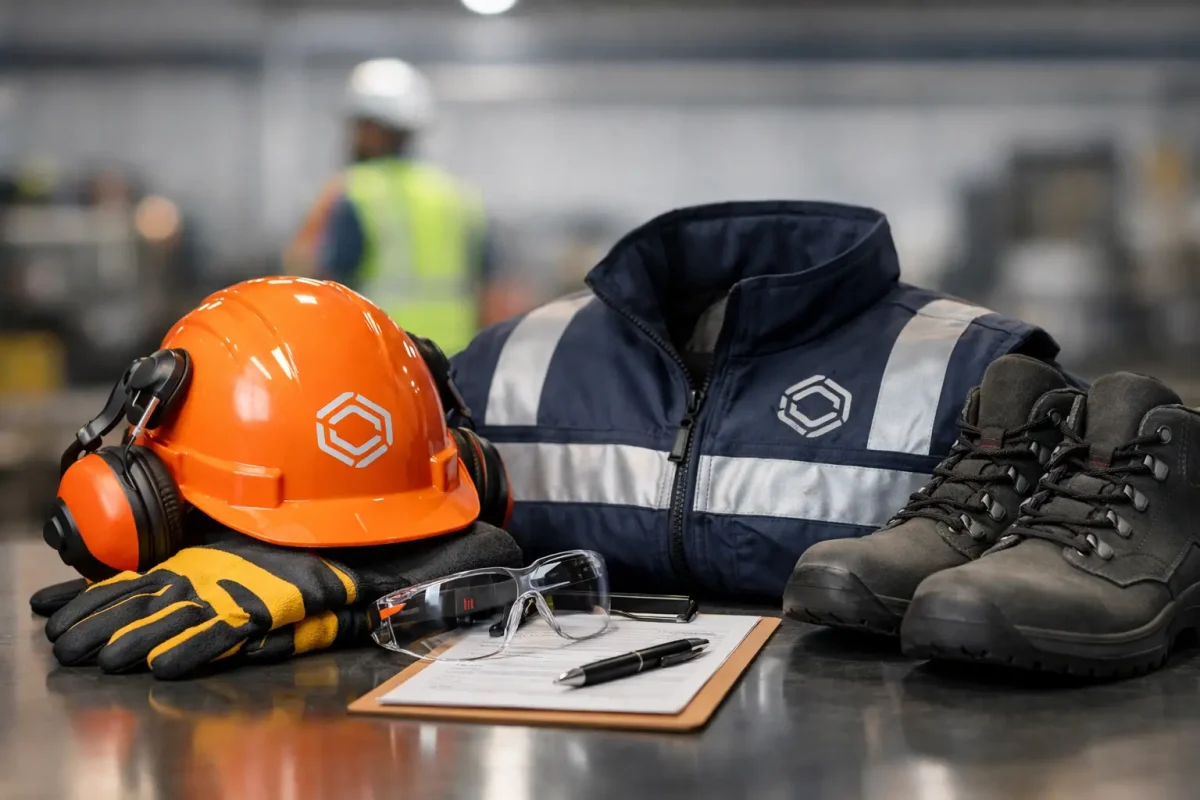
A logo on a hi-vis jacket can look straightforward until it covers fluorescent fabric, crosses reflective tape or introduces stitching through a waterproof layer. So, can branded PPE be compliant? Yes, but only where the garment, decoration method and logo placement are specified around the protection required for the job – not chosen as separate decisions.
For a site manager or buyer, the practical point is simple: PPE is safety equipment first and branded workwear second. A logo must not reduce the performance that made the garment suitable in the first place. This matters most with hi-vis, flame-resistant clothing, arc-rated garments, chemical protection and weatherproof outerwear, but it applies to any item intended to protect the wearer.
Can branded PPE be compliant in the UK?
Branded PPE can remain compliant when the finished item continues to meet the relevant performance requirements, is used as intended and is supported by the garment manufacturer’s decoration guidance. The answer is not a blanket yes. Adding a logo can change a garment’s surface area, visibility, water resistance, flame behaviour or certification status.
Start with the risk assessment. Identify the hazard, the task and the environment before discussing garment colour or logo size. A warehouse operative moving between pedestrian areas may need different protection from a road crew working near live traffic, or an engineer exposed to heat and electrical arc risk. The PPE selected must address that risk first.
The next step is to verify the garment’s certification, applicable standard and accepted marking requirements for Great Britain at the time of purchase. Retain the manufacturer’s product information and instructions. These documents often set out whether decoration is permitted, which methods are suitable and where a logo may be placed. If a supplier cannot provide a clear answer, do not assume a standard chest logo is acceptable.
Where branding creates a compliance risk
The concern is rarely the logo itself. It is what the decoration does to the garment. A reliable specification considers the fabric, the safety features and the intended laundry process together.
Hi-vis garments need clear background and tape
For high-visibility clothing, the amount and arrangement of fluorescent background material and retroreflective tape are central to performance. A large back print can reduce the visible fluorescent area. A logo placed over reflective tape may interrupt its night-time visibility. Even a small chest embroidery can be an issue if it sits in an area the manufacturer has designated as safety-critical.
Hi-vis standards, including EN ISO 20471 where applicable, work on garment classes and defined visible material requirements. Class 3 garments generally have less room for decoration than class 1 garments because more of the surface is needed to provide the required level of conspicuity. That does not mean branding is impossible. It means the placement and size need checking against the specific garment, not against a generic artwork template.
A supplier should review the intended logo position before production. A left-chest mark, sleeve print or back logo may all be feasible, but the right answer depends on the panel layout, tape configuration and the manufacturer’s instructions.
Embroidery is not right for every protective garment
Embroidery is durable, professional and well suited to many polos, fleeces, sweatshirts and work jackets. However, it involves needle penetrations. On waterproof or water-resistant outerwear, those holes can compromise the membrane or coating and create a route for water ingress.
For those garments, print is often the better option, provided the print system is compatible with the fabric and the manufacturer permits it. The same caution applies to very lightweight technical fabrics, where dense stitching can pucker the material or affect comfort.
This is not a reason to avoid embroidery across a whole uniform range. It is a reason to specify each garment properly. The logo can be embroidered on a fleece and printed on the matching waterproof jacket while retaining a consistent brand appearance across the team.
Heat, flame and arc protection demand specialist approval
Flame-resistant, antistatic and arc-rated garments require particular care. The wrong transfer film, thread or backing material can alter the protective behaviour of the finished item. A standard heat-applied print may be unsuitable, even if it looks neat when it leaves production.
Do not treat these garments as ordinary workwear. Use only decoration methods, materials and locations approved for that garment and protection level. Where the manufacturer requires a specific certified process, that instruction takes priority over a preferred logo finish or budget target.
The same principle applies to chemical protective clothing and specialist disposable PPE. Many items are not designed for post-manufacture decoration at all. If there is any uncertainty, separate the branded outer layer from the protective layer rather than modifying the PPE.
Build the order around the job, not the catalogue image
A well-managed branded PPE order starts with a short but precise brief. State who will wear the garments, where they work, what hazards are present and whether the clothing is PPE, general workwear or both. Include the required standard where known, the garment colour, the logo artwork, proposed positions and anticipated wash frequency.
It also helps to distinguish between staff identification and large-scale brand promotion. A modest company name or logo can be easier to accommodate than a full-colour event graphic across the back of a hi-vis vest. If the garment must provide a high class of visibility, the safest commercial choice may be a smaller mark in an approved area, with brand messaging carried on non-PPE layers, signage or vehicle graphics instead.
Ask for a visual proof that shows the actual garment panel and tape layout, not only the logo artwork on a blank background. This catches avoidable errors, such as an oversized design sitting too close to reflective bands or a dark print being specified on a poor-contrast panel.
For repeat orders, retain an approved specification. Record the garment make and style, colour, standard, logo dimensions, placement, decoration method and thread or print reference. This prevents a later order from drifting away from the original compliant setup when a garment range changes or a different member of staff places the purchase order.
Decoration quality is part of operational control
Compliance is not only decided at the point of order. Poorly applied decoration can create issues during the life of the garment. A peeling transfer, loose embroidery or cracked print makes a uniform look neglected, but it can also affect visibility and wearer confidence.
The logo file matters here. Clean, production-ready artwork enables accurate print detail and stable embroidery. Very small text, fine gradients and dense blocks of stitching can cause problems on workwear fabrics. Simplifying the artwork slightly may produce a better and longer-lasting result without weakening the brand.
For organisations issuing uniforms at scale, consistent production and packing are useful controls. Garments can be packed by employee, department or site so the approved specification reaches the right wearer without an admin team sorting mixed boxes. That is especially valuable where one order includes standard embroidered polos, printed waterproofs and hi-vis PPE with more tightly controlled logo positions.
Care, replacement and wearer instructions
A compliant item can become unsuitable through poor care or damage. Hi-vis garments lose performance when fluorescent fabric fades, reflective tape is damaged or heavy soiling is left untreated. Protective finishes can also be affected by incorrect washing, drying and chemical exposure.
Issue the manufacturer’s care instructions with the garment and make expectations clear to wearers. PPE should be inspected before use, particularly where it is exposed to site wear, contamination or repeated industrial laundering. Replace items that are torn, badly faded, contaminated, altered or no longer fit correctly.
Avoid asking staff to add their own patches, name labels or unofficial prints. A small alteration may appear harmless, but it can cover tape, puncture a protective layer or create an inconsistent standard across the team. If personal identification is needed, build it into the approved decoration plan from the outset.
A practical buying route for branded PPE
The fastest route is not to select the cheapest hi-vis garment and add a logo afterwards. Choose a certified garment suitable for the hazard, confirm the manufacturer’s permitted decoration options, then approve the logo size and position before production. Keep the specification on file and review it whenever the garment or branding changes.
Vivid Promotion can help buyers align the garment choice with the right embroidery or print method, particularly when one uniform programme includes standard workwear alongside hi-vis and weatherproof layers. The objective is to give teams a consistent identity without compromising the job the PPE is there to do.
When branding and protection are planned together, the finished uniform is easier to issue, easier to reorder and far less likely to create an avoidable compliance problem on site.