No products in the basket.
Branded Workwear
Guide to Custom Workwear Bundles
14
May
May
Ordering uniforms one item at a time usually looks cheaper on paper. In practice, it creates gaps – missing sizes, mismatched branding, odd delivery dates, and too much time spent sorting kit once it arrives. A proper guide to custom workwear bundles starts with a simpler idea: buy by role, by season, and by working conditions, not by individual garment.
That matters whether you are kitting out a small trade team, issuing staff uniform across multiple sites, or preparing event crews who all need the same look on the same day. Bundles work best when they remove decisions, reduce admin, and give every member of staff the right clothing from day one.
What a custom workwear bundle should include
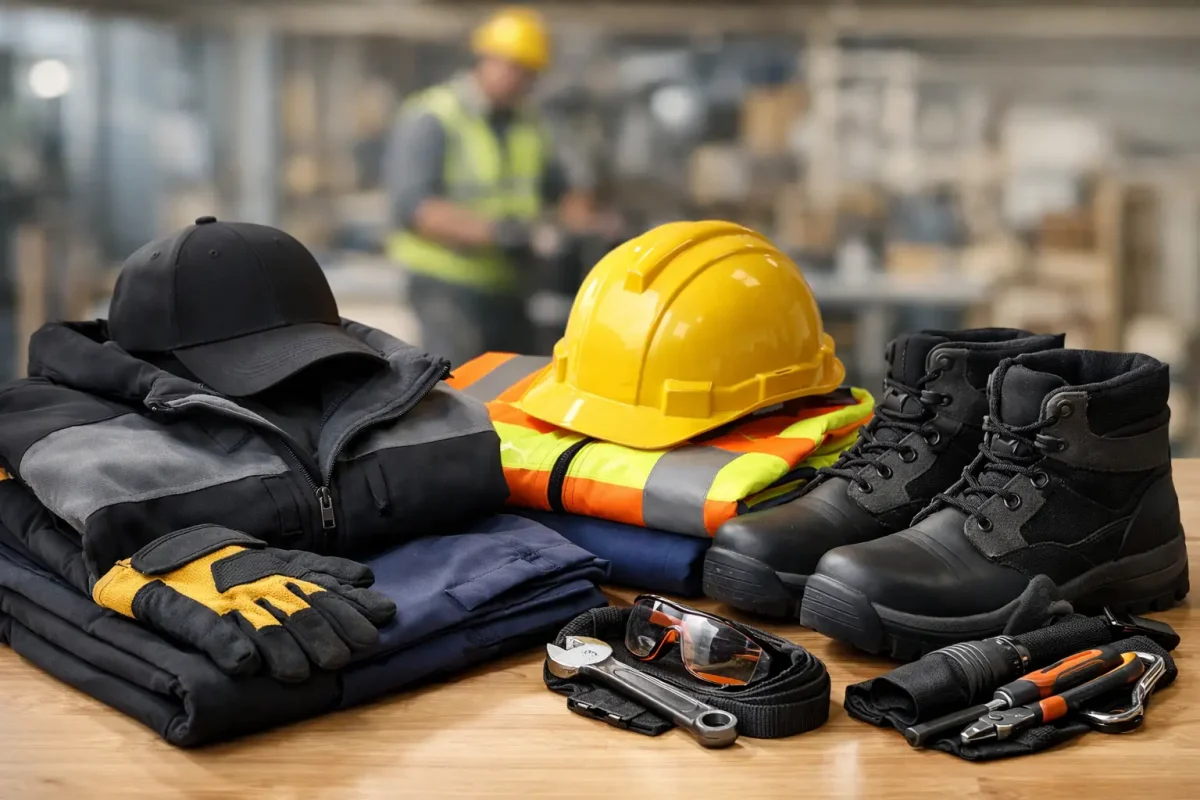
A custom workwear bundle is not just a few garments grouped together for convenience. It should reflect how your team actually works. For a warehouse picker, that may mean polos, sweatshirts and a bodywarmer. For a groundworks team, it could mean hi-vis tops, durable trousers and outerwear that stands up to daily use. For care staff, the right bundle may centre on tunics, scrubs or polo-based uniforms that wash well and stay presentable.
The key is to build bundles around job function first. Too many businesses start with a budget target and then try to force every department into the same package. That tends to create waste. Office-based staff do not need the same garments as mobile engineers, and a summer event crew should not be issued the same layers as a winter installation team.
A good bundle normally combines core uniform, weather cover and brand application. In some cases, accessories also matter – caps, beanies or aprons, for example. The point is not to add more items. It is to make sure each item earns its place.
A guide to custom workwear bundles by team type
The quickest way to get bundles right is to separate staff by role and working environment. That sounds obvious, but it is where many orders go wrong.
Trades and construction teams
For trades, durability usually comes before appearance, but appearance still matters. A bundle for site staff often needs T-shirts or polos for base layers, sweatshirts or hoodies for mid-layer warmth, and trousers that can take regular wear. If the team is public-facing, embroidery on polos and fleeces often gives the smartest finish. If garments are exposed to dirt, abrasion and frequent washing, fabric weight and garment quality matter more than shaving a small amount off the unit price.
If the work involves roadside, rail, logistics yards or other safety-critical settings, hi-vis requirements should shape the bundle from the start. Do not treat compliant garments as an add-on.
Events, logistics and promotional teams
These teams often need consistency at scale. They also work to fixed dates, which means lead time and packing method are just as important as garment choice. A bundle might include a printed T-shirt, hoodie and waterproof layer, depending on season and event type. Here, the finish needs to look clean from a distance and stay consistent across large numbers.
Bulk delivery can be right for some event clients. For others, individually packed sets save hours of sorting. It depends on who is receiving the order and how quickly staff need to be issued uniform.
Healthcare and care environments
In healthcare, comfort and wash performance carry more weight than branding size. Staff need garments they can move in, wear for long shifts and launder regularly without the uniform looking tired too quickly. Department-specific bundles are often the better approach here. Reception teams, carers, nurses and facilities staff usually have different practical needs, even if branding stays consistent across the organisation.
Education and campus wear
Schools and colleges often need a straightforward route for leavers’ wear, staff uniform or departmental clothing. Hoodies, polos and sweatshirts are common, but the bundle still needs structure. Think about who is approving artwork, how names or initials are handled, and whether garments need to be grouped by class, year or department before dispatch.
Choosing the right garments for the job
There is no single best workwear bundle. The right choice depends on wear frequency, site conditions, wash cycle and how visible staff need to be.
Start with the garment people will wear most often. That is usually the polo or T-shirt. From there, add layers that match the working environment. Fleece and softshell can work well for teams moving between indoor and outdoor settings. Heavier coats and bodywarmers suit colder conditions, but only if they will actually be worn. A bundle packed with garments that stay in lockers is not good value.
Fit also matters more than many buyers expect. If sizing is inconsistent across the bundle, staff notice it straight away. Mixed brands can work, but only if the size profile is understood in advance. This is one reason role-based standardisation tends to be more reliable than a pick-and-mix approach.
Embroidery or print – get this right early
Branding method should be decided alongside garment selection, not afterwards. This is one of the most practical parts of any guide to custom workwear bundles because the wrong decoration choice can affect both appearance and garment performance.
Embroidery is often the right option for polos, sweatshirts, fleeces and many corporate workwear garments. It gives a durable, professional finish and usually holds up well over repeated washing. It is especially useful where teams need a smart, established look.
Print has clear advantages too. It works well for large back logos, event wear, and designs with more colour or detail. It is also often the better route on garments where stitching could cause issues. Waterproof outerwear is the obvious example. If you embroider through a waterproof fabric, you are introducing needle holes. In those cases, print is usually the more sensible choice.
Logo setup matters here as well. A supplier should be able to convert artwork properly for embroidery and print, because what works on a website or business card does not always work on fabric.
Fulfilment matters as much as the garments
For many buyers, the real cost of uniform ordering is not the invoice total. It is the internal time spent checking, sorting and redistributing everything after delivery.
This is why bundles make commercial sense when fulfilment is built around how you issue clothing. If every employee receives a named pack in the right size, with the agreed garments already grouped, that removes a lot of friction. If a site needs one bulk pallet delivery ahead of a launch or event, that may be the better option. Neither method is better in every case. What matters is matching fulfilment to your operation.
This becomes even more important for multi-site employers. One late box, one missing size range, or one department packed incorrectly can slow down rollout. Good bundle planning reduces that risk.
How to price bundles without creating false savings
Bundle buying should improve value, but the cheapest bundle is not always the most economical. If garments wear out quickly, branding fails, or staff refuse to wear certain items, you will reorder sooner and spend more overall.
A better approach is to look at cost per wearer over time. Ask which garments will take the hardest use, which items need to hold their shape and branding longest, and where a lower-cost option is acceptable. For example, a short-term event T-shirt has a different job from a daily-use trade sweatshirt.
It is also worth deciding whether every employee needs the full bundle from the outset. New starters may need a core issue first, with seasonal outerwear added later. That can be a sensible way to control spend without compromising consistency.
Common mistakes when ordering custom workwear bundles
Most bundle problems come back to poor specification. Buyers either keep the brief too broad or overcomplicate it.
One common mistake is treating all staff as one group. Another is choosing garments based on appearance alone and not on wash performance or working conditions. A third is leaving artwork approval too late, which can hold up production. There is also the issue of underestimating distribution. If uniform arrives in mixed cartons with no employee breakdown, someone in your business still has to sort it.
The fix is straightforward. Define the wearer, define the environment, decide the branding method early, and agree how goods need to arrive before production starts.
When a bundled approach works best
Custom workwear bundles are especially useful when you have repeat hiring, multiple roles, tight rollout dates or teams spread across different locations. They are also useful when brand consistency matters and you do not want every order rebuilt from scratch.
For UK businesses that want a more structured way to buy uniform, Vivid Promotion approaches bundling as an operational solution, not just a product grouping. That means thinking about garment suitability, branding method, and how the order will be packed and issued once it lands.
The best bundle is the one that makes your next order easier than the last. If it saves your team time, keeps staff properly equipped, and arrives ready to issue, it is doing its job properly.