No products in the basket.
Branded Workwear
10 Best Hi Vis Jackets for Winter
08
May
May
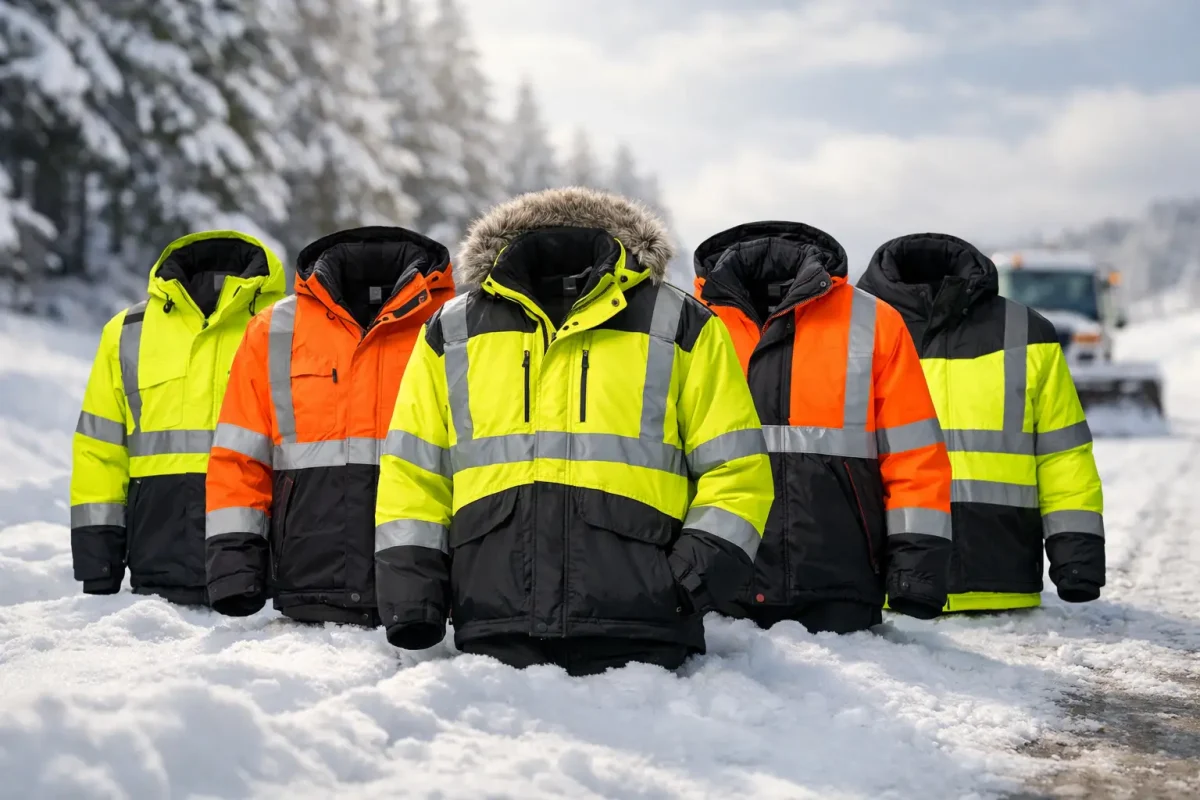
Cold weather exposes every weakness in workwear fast. A jacket that looks fine on the rail can turn into a problem on site once the rain sets in, the wind picks up, and staff are standing around for long periods in poor light. If you are choosing the best hi vis jackets for winter, the job is not just to tick a visibility box. You need kit that keeps people warm, dry, mobile and presentable through a full shift.
For most buyers, the right choice comes down to balancing compliance, weather protection, comfort and cost over time. A cheaper jacket that leaks, restricts movement or wears out by mid-season is rarely a saving. Equally, the heaviest coat on the market is not always the best option if your team are active, working indoors and outdoors, or layering under other PPE.
What makes the best hi vis jackets for winter?
A winter hi vis jacket has to do four jobs at once. It needs to provide high visibility in low light, protect against cold and wet conditions, allow enough movement for the task, and stand up to repeated wear. If one of those falls short, staff notice it straight away.
In practical terms, insulation matters, but so does the type of insulation. A padded jacket can feel warm when a wearer is static, yet overheat quickly during physical work. A waterproof shell with room for layering may suit highways, rail support, delivery yards and facilities teams better if activity levels vary through the day.
The outer fabric also matters more than many buyers expect. In winter, a showerproof jacket is often not enough. If teams are regularly outside, a properly waterproof style with taped seams gives better long-term value. Wind resistance is just as important. Cold air cutting through a jacket will make even a lined garment feel inadequate.
Start with the working environment
The best hi vis jackets for winter in one setting may be the wrong choice in another. Site managers and procurement teams usually get better results when they work back from the conditions rather than starting with price alone.
For road crews, civils teams and traffic management staff, weather exposure is usually high and shifts can involve standing still for periods. Here, a longer waterproof jacket with a quilted or insulated lining often makes sense. Coverage matters, especially around the lower back and wrists where cold and rain get in.
For warehouse teams moving between yard and unit, or engineers getting in and out of vehicles, a bulky coat can become a nuisance. A bomber-style hi vis jacket or a shorter waterproof option tends to work better because it allows easier movement and is more comfortable when seated.
For delivery, estates and service teams, versatility is often the key factor. A 3-in-1 jacket can be a strong option because the outer waterproof layer and inner fleece or softshell can be worn together or separately. It costs more up front, but it covers a wider part of the year.
The main winter hi vis jacket types
There is no single best style for every organisation. Most winter buying decisions sit across four common jacket categories.
Padded hi vis bomber jackets
These are popular for good reason. They are warm, straightforward and usually cost-effective for larger rollouts. The shorter cut suits drivers, plant operators and trades who need freedom around the hips. Many include concealed hoods, storm flaps and ribbed cuffs that help keep heat in.
The trade-off is coverage. In prolonged rain or exposed outdoor work, a bomber jacket may leave the wearer less protected than a longer coat. Some also feel bulky once extra layers are added underneath.
Long waterproof hi vis jackets
These are often the safer choice for teams working in poor weather for hours at a time. A longer cut improves protection, and waterproof construction helps when conditions turn from cold to properly wet. They are commonly chosen for highways, utilities, security and event operations.
The compromise is that they can feel heavier and less agile. If staff are constantly bending, climbing or lifting, fit becomes especially important.
3-in-1 hi vis jackets
A good 3-in-1 jacket earns its keep because it gives buyers flexibility. The outer shell handles rain and wind, while the inner layer provides warmth. In milder weather, either piece can be worn on its own.
This type suits organisations trying to standardise uniform across seasons. The only caution is quality. Poorer versions can be awkward, overly bulky or lacking in breathability.
Hi vis softshell and layered systems
For active teams, a softshell worn with suitable mid-layers can outperform a heavily padded coat. It gives better movement and often feels less restrictive through a long shift. This approach works best where winter conditions are cold but not consistently driving rain, or where staff move between indoor and outdoor settings.
Softshells are not a replacement for a fully waterproof winter jacket in harsher conditions. They are part of a system, not a catch-all answer.
Key features worth paying for
Buyers comparing products quickly tend to focus on colour, price and whether the jacket meets hi vis standards. That is only part of the picture. The details usually decide whether a garment performs well over a whole season.
A proper storm flap over the zip helps keep water out. Adjustable cuffs matter because open cuffs let in cold air and rain. A fleece-lined collar can make a noticeable difference on exposed sites. Pockets need to be usable with gloves, and they need to be in the right place for the job.
Breathability is often overlooked. If a jacket traps sweat during physical work, staff will either overheat or unzip it, which defeats the point in poor weather. A balance between insulation and ventilation is usually better than simply choosing the thickest garment available.
Reflective tape layout also deserves attention. It needs to support visibility without making the jacket stiff or uncomfortable. On some lower-quality styles, the tape can crack or peel sooner than the fabric itself.
Compliance, fit and branding
Hi vis winter jackets still need to meet the relevant visibility requirements for the role. That sounds obvious, but winter layering can complicate things. If staff remove the outer jacket because it is too warm, too restrictive or not waterproof enough, your compliant garment is no longer being worn. Comfort supports compliance.
Fit should be practical, not neat for the sake of appearance. There needs to be enough room for layering, but not so much excess that the jacket snags or gets in the way. For mixed teams, inclusive sizing is also worth checking before placing a larger order.
If you are branding winter hi vis jackets, decoration method matters. On waterproof garments, print is often the better option than embroidery because needle holes can affect water resistance. This is the kind of detail that matters when you want the jacket to work properly, not just carry a logo.
How to choose for a team, not just an individual
Buying one jacket for yourself is simple. Buying for twenty, fifty or two hundred staff is where mistakes become expensive. Standardisation helps, but only if the chosen garment suits the job across the whole team.
Start by grouping wearers by role and exposure. A yard supervisor, a mobile engineer and a roadside operative may all need hi vis, but they do not need the same jacket. If one style has to cover everyone, choose the role with the highest weather exposure and work back from there.
It is also worth thinking about issue and replacement. Jackets that are easy to size, easy to identify by department and easy to re-order remove admin later. That matters for growing teams, seasonal peaks and multi-site operations. Suppliers that can pack by employee or department can save a lot of internal sorting time when winter kit lands.
Common buying mistakes
The most common error is buying too light for the conditions. A basic hi vis jacket may be acceptable on paper, but not for a January shift in rain and wind. The second mistake is buying too heavy for active roles, which leads to garments being left in vans or site cabins.
Another issue is ignoring the full clothing system. A winter jacket works best when it is part of a sensible range that includes fleeces, sweatshirts, base layers and weather-appropriate trousers. If the rest of the uniform falls short, the outer jacket ends up carrying too much of the load.
Finally, buyers sometimes leave branding and fulfilment decisions until late. That can slow rollout, especially where garments need department sorting or named allocation. For larger uniform programmes, getting those details right early makes the whole issue process cleaner.
A practical benchmark for the best hi vis jackets for winter
If you want a simple buying standard, look for a jacket that is genuinely waterproof, warm without being overly bulky, easy to layer, suitable for the wearer’s activity level, and compatible with the right branding method. That will narrow the field quickly.
For exposed outdoor teams, a longer waterproof insulated jacket is usually the safest choice. For mobile roles, a bomber or shorter waterproof style often works better. For varied conditions and year-round value, a 3-in-1 jacket is hard to ignore. For active workers in mixed environments, layering around a softshell can be the smarter call.
Vivid Promotion works with organisations that need this decision to be straightforward, especially when branded uniforms have to arrive ready to issue rather than adding more admin to the day.
The best winter jacket is the one your team will actually wear for the full shift, in the weather they really face, without you having to revisit the order halfway through the season.