Branded Workwear
Why Does My Embroidery Pucker Fabric at Work?
Aug
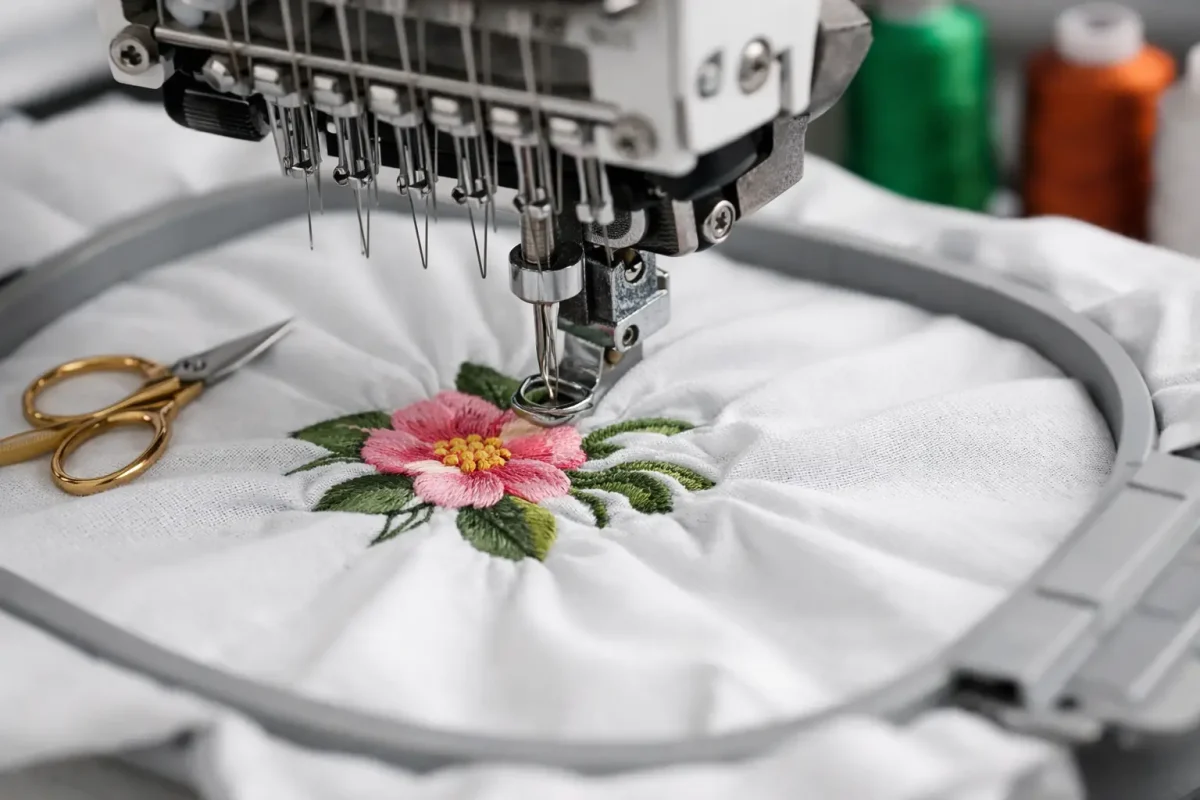
A logo can look sharp on screen, then pull the surrounding fabric into ripples once it is stitched. If you are asking, “why does my embroidery pucker fabric?”, the answer is usually not one fault. It is the relationship between the garment, logo design, stabiliser, thread tension and embroidery settings. Getting those details right matters when you need uniforms to look consistent across a team.
Puckering is not merely cosmetic. On work polos, fleeces and jackets, it can make a logo look distorted and give the impression of poorly specified uniform. The good news is that it is usually preventable when the garment and decoration method are chosen for the job.
What embroidery puckering actually is
Puckering happens when the fabric gathers, wrinkles or pulls around the stitched area. The embroidered logo may be sound, but the fabric beneath it is under tension. This can appear straight away when the item comes off the machine, or become more obvious after washing.
Woven workwear, such as polycotton shirts and heavier jackets, generally holds embroidery well. Lightweight polos, thin cotton T-shirts, stretch garments and soft knitted fabrics are more likely to show movement. That does not mean they cannot be embroidered. It means the logo, backing and production settings must be appropriate for the material.
Why does my embroidery pucker fabric?
The most common cause is a mismatch between stitch density and fabric weight. Every embroidered logo contains thousands of stitches. Dense fill areas, small lettering and solid blocks of colour put more thread into a small area. On a light or stretchy garment, that stitching can draw the fabric inwards.
A large, detailed chest logo on a lightweight cotton polo is a typical example. The same artwork may sit neatly on a heavyweight sweatshirt or fleece but pucker on the polo because there is less structure in the fabric to support it. The correct solution may be a lighter stitch file, a smaller logo, a different garment or print rather than embroidery.
Fabric stretch and garment construction
Stretch is one of the main variables. Performance polos, fitted workwear and garments containing elastane move when worn. If the embroidery does not allow for that movement, the fabric can gather around it. Thin pique, jersey and some recycled polyester fabrics need careful support during production.
Seams, pockets, plackets and uneven panels also affect the result. Embroidering too close to a polo placket or across a seam can create distortion because the machine is stitching through layers with different thicknesses. A suitable embroidery position is just as important as the artwork itself.
Garment finish can also be relevant. Water-repellent coatings, bonded softshell layers and waterproof outerwear may not suit conventional embroidery. Needle holes can compromise a waterproof finish, while the backing can affect drape. For these garments, print is often the more practical decoration method.
Incorrect or insufficient backing
Backing, also called stabiliser, supports the garment while it is being embroidered. It stops the fabric shifting in the hoop and helps it carry the weight of the stitches. Without the right backing, even a well-digitised logo can pucker.
The backing must suit both the garment and the logo. A lightweight tear-away backing may be fine for a stable cotton shirt with a simple design. A stretch polo or thin knit may need a stronger cut-away backing to remain stable over time. Some fabrics also benefit from a topping on the surface, particularly fleece or textured material, so stitches do not sink into the pile.
Using too little backing can cause puckering. Using excessively heavy backing can make an area feel stiff and can affect comfort. The aim is support without turning the inside of the garment into a hard patch.
Thread tension, hooping and machine settings
Embroidery machines need balanced upper and lower thread tension. If upper thread tension is too high, stitches pull tight and gather the fabric. If it is too loose, the finish may look untidy or show bobbin thread. Production teams also need to manage speed, needle choice and the way each garment is hooped.
Over-hooping can stretch fabric before stitching begins. Once the garment is released from the hoop, it relaxes and can look puckered. Under-hooping lets the material move during production, which can create shifting, poor registration and ripples. Consistent hooping is particularly relevant for large uniform orders, where every garment needs to match the approved sample.
Poor logo digitising
A logo is not ready for embroidery simply because it is a clear PDF, PNG or vector file. It has to be digitised into a stitch programme that tells the embroidery machine where, how and in what order to sew each section.
Good digitising takes account of underlay stitches, stitch direction, pull compensation and density. These settings control how the logo sits on fabric. For example, long stitches may need splitting, while large filled areas may need a lighter construction to avoid drawing in the material.
Very small text is another issue. A detailed logo may reproduce well in print but not in thread at a small left-chest size. Simplifying fine elements or using a more suitable logo version can protect readability and reduce unnecessary stitch density.
How to prevent puckering on branded workwear
Prevention starts before the order reaches production. The first decision is whether embroidery is the right method for the garment and logo. Embroidery is hard-wearing, professional and well suited to polos, sweatshirts, fleeces, shirts, headwear and many outer layers. It is not automatically the best choice for every lightweight, stretch or waterproof item.
For a large team order, request a clear recommendation based on the intended garment, logo position and use. A uniform supplier should assess whether the selected garment has enough body for embroidery and whether the logo needs adapting for a clean result. This is especially useful where the same logo is required across several items, such as polos, hoodies, hi-vis layers and jackets.
Choose garment weights with the decoration in mind. A heavier polycotton polo, sweatshirt or fleece will usually carry a chest logo more cleanly than a lightweight fashion-fit tee. If staff need a lightweight layer for warm environments, a printed logo may provide a flatter finish while still delivering a clear brand identity.
Keep embroidered designs proportionate. A compact left-chest logo is normally more stable than a large, dense design. Avoid forcing every small strapline, phone number or graphic detail into embroidery. For employee uniforms, a recognisable logo is often more useful than an overcomplicated badge that cannot be read from a practical distance.
If puckering appears after washing
Puckering that only becomes visible after laundering can indicate fabric shrinkage, unsuitable washing temperatures or the difference between how thread and fabric react to heat. Cotton-rich garments can shrink more than polyester embroidery thread, causing the stitched area to appear tighter afterwards.
Always follow the garment care label. High wash temperatures, tumble drying where it is not recommended, and aggressive laundering can affect the look of both the garment and decoration. This is particularly relevant for care, hospitality and trade uniforms that are washed frequently.
However, care instructions should not be used to excuse a poor production result. If a new batch has obvious puckering before it has been worn or washed, raise it promptly with the supplier. Provide photographs showing the full garment, the affected logo and the inside backing where possible. This helps establish whether the issue is related to fabric suitability, stitching or handling.
Choosing between embroidery and print
The practical decision comes down to garment type, logo detail and working conditions. Embroidery is generally the dependable choice for durable everyday workwear where a raised, premium finish is wanted. It performs well on stable fabrics and handles regular use.
Print is often better for lightweight garments, large back graphics, detailed artwork, waterproof outerwear and areas where flexibility matters. A printed logo can also be more comfortable across larger designs because it does not add the same stitch weight. For hi-vis clothing, the decoration area and any compliance requirements should be considered before production, rather than treated as an afterthought.
At Vivid Promotion, the best route is to match the logo and garment before a full order is produced. That reduces rework, keeps branding consistent and gives staff uniform that is fit for their day-to-day role.
A smooth embroidered logo is the result of correct specification, not luck. Choose a garment that can support the design, use a logo file prepared for embroidery, and be open to print where it is the better operational choice. That is how uniforms keep looking professional long after issue day.