No products in the basket.
Branded Workwear
Workwear Bundles for Winter Site Teams
21
Jun
Jun
A cold site finds weak kit quickly. If operatives are layering random hoodies under hi-vis, swapping soaked outerwear halfway through the day, or turning up in mismatched gear, the problem is rarely the weather alone. It is usually a buying problem. Workwear bundles for winter site teams solve that by standardising what each person gets, reducing missed items, and making sure the clothing suits the conditions, the job, and the brand on the chest.
For site managers and buyers, winter ordering is not just about adding a heavier coat to the usual list. The real job is building a bundle that works across early starts, wet conditions, changing temperatures, vehicle movement, and the practical demands of lifting, kneeling and working outdoors. If the bundle is too light, staff get cold and productivity drops. If it is too bulky, people stop wearing parts of it. If branding is applied badly, waterproof performance can be compromised or garments wear out faster than they should.
What good workwear bundles for winter site teams actually include
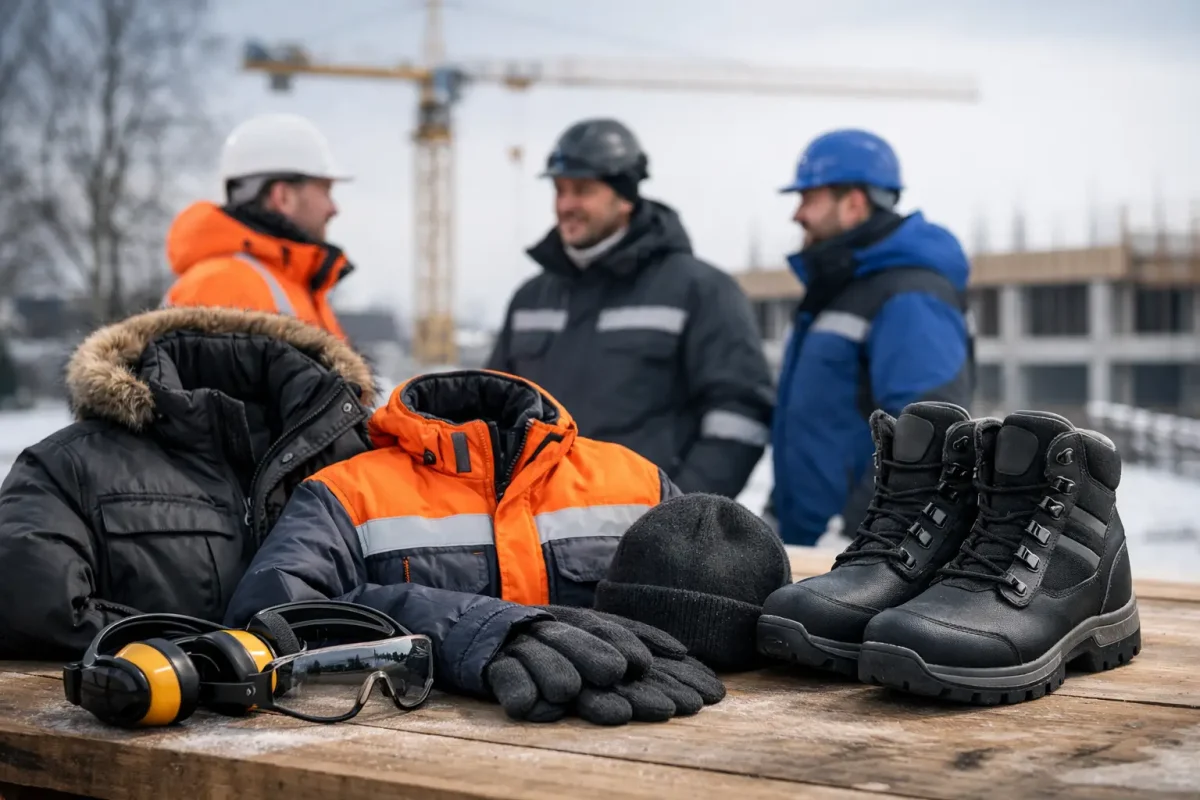
A winter bundle needs to function as a system rather than a pile of garments. On most sites, that means a base layer for warmth, a mid layer for insulation, and an outer layer that deals with wind and rain while maintaining visibility where needed. Add the right legwear and accessories, and the bundle becomes practical for day-to-day use instead of a box-ticking exercise.
A typical winter site bundle often starts with polos or sweat-wicking base garments, then adds a sweatshirt, hoodie or fleece depending on the job role. For outdoor teams, a softshell or insulated waterproof jacket is usually the piece that decides whether the bundle works in real conditions. Trousers matter just as much. If staff are wearing lightweight summer trousers through winter, the upper body kit will only get them so far.
Hi-vis requirements also shape the bundle. Some teams need full high-visibility outerwear as standard. Others may need a layered approach, with branded under-layers and a compliant hi-vis coat or vest over the top. The right combination depends on the site rules, the environment and whether garments need to carry company branding, department identifiers or individual names.
Why bundles work better than ordering item by item
Buying winter clothing one garment at a time sounds flexible, but in practice it often creates more admin and more inconsistency. Different staff end up with different combinations, replacement ordering becomes harder to track, and stores quickly become a mix of old and new ranges.
Bundles make purchasing easier because they create a defined issue standard. A groundworks operative, a site supervisor and a delivery yard team may each need a different mix, but each role can still have a fixed bundle. That speeds up ordering and reordering, helps with budgeting, and gives staff the same baseline level of kit.
There is also a fulfilment advantage. If uniforms are packed per employee rather than sent as mixed bulk cartons, the time saved on internal sorting is significant. For larger teams, that is often the difference between a smooth rollout and several days of someone opening boxes, matching sizes and chasing missing items. For operations teams working to a deadline, that matters.
Building the right winter bundle for your site
The best bundle starts with the site conditions, not the catalogue. Ask what people are actually doing between 6 am and 3 pm in January. Are they fully exposed to weather, in and out of vehicles, working at height, moving between indoor and outdoor zones, or doing physically demanding work that generates body heat? The answer changes the garment mix.
Start with exposure and activity level
Someone static on a gate or directing movements may need heavier insulation than a worker constantly moving materials. A waterproof insulated coat can be right for one role and too much for another. Overheating is not a small issue in winter workwear. If staff get too warm and strip off the top layer, you can lose visibility compliance or brand consistency straight away.
That is why layering usually beats a single heavy garment. Fleeces, softshells and sweatshirts allow teams to adjust through the day while keeping a consistent base appearance. For many sites, that flexibility is more useful than issuing the thickest possible jacket.
Match branding to garment performance
Winter workwear often includes jackets, bodywarmers and waterproof layers, and decoration method matters. Embroidery gives a durable, premium finish on many garments, but it is not always the right choice for waterproof items. Needle holes can affect water resistance, so printed branding may be the better option on certain outerwear. On fleeces, polos and sweatshirts, embroidery often works well and stands up to repeated wear.
This is where buyers can save themselves trouble by treating logo application as part of garment selection, not an afterthought. A good-looking logo is one thing. A logo applied in a way that suits the fabric and job is what keeps the garment serviceable.
Do not forget lower-body protection and accessories
Winter bundles are often too top-heavy. Buyers spend time on jackets and fleeces and leave trousers unchanged. For exposed site teams, that can be a mistake. Heavier work trousers, holster trousers with enough durability, or weather-resistant overtrousers can make a bundle far more usable.
Accessories also earn their place in winter. Beanies, thermal hats and gloves are not expensive additions, but they can have a real effect on comfort and wear compliance. If staff are warm enough, they are more likely to keep the rest of the kit on properly.
Where buyers usually get winter bundles wrong
The most common mistake is buying for a generic site worker who does not really exist. Most teams have different roles, different exposure levels and different practical needs. Standardisation is useful, but it should happen at role level, not by forcing one identical issue across every person on site.
The second mistake is ignoring lead times until the weather turns. Once the first cold spell arrives, everybody wants stock at the same time. If you are ordering branded winter garments late, delays become more likely and substitutions become more tempting. Planning ahead gives you better choice and fewer compromises.
The third mistake is treating winter as a one-off purchase rather than part of a repeat uniform process. Sizes change, new starters arrive, and garments get damaged. A sensible bundle should be easy to reorder in the same specification without having to rebuild the whole requirement every time.
A practical approach to sizing, packing and issuing
Winter clothing can be harder to size than standard uniform because layers affect fit. Some wearers need room for additional garments underneath, while others prefer a closer fit for active work. That is one reason to keep the bundle structure simple and the garment choices consistent.
For larger rollouts, per-person packing is often the cleanest solution. When each employee receives a named or allocated package with their winter bundle, site admin drops sharply. There is less room for allocation errors and less time wasted sorting cartons in a stores area. For multi-site businesses, this becomes even more useful, especially when teams need issuing quickly across different locations.
Vivid Promotion supports this kind of fulfilment because it removes friction for the buyer as much as for the wearer. That matters when uniform ordering sits with someone already managing vehicles, suppliers, staff rotas and site paperwork.
Choosing bundles that still look presentable in February
Workwear has to perform, but presentation still matters. A winter bundle should keep teams looking consistent after repeated washing, muddy conditions and heavy use. That means choosing garments with enough durability for the role and using branding methods suited to each fabric.
Branded workwear also has a practical function on site. It helps identify contractors, supervisors and departments quickly. For businesses working on client premises or mixed-trade sites, that cleaner presentation supports professionalism without turning the purchase into a branding exercise for its own sake.
The strongest winter bundles balance five things at once: warmth, movement, visibility, durability and straightforward reordering. If one of those is missing, the bundle usually creates problems later. The good news is that most of those problems can be avoided early by setting role-based bundles, choosing the right decoration method, and thinking about fulfilment at the same time as garment choice.
If you are ordering for a winter site team, the useful question is not what coat to buy. It is what combination of garments your staff will actually wear, in the right order, through a full working week. Get that right, and the bundle does its job long after the first frost has gone.