Branded Workwear
How to Choose Hi Vis Clothing for Work
Mar
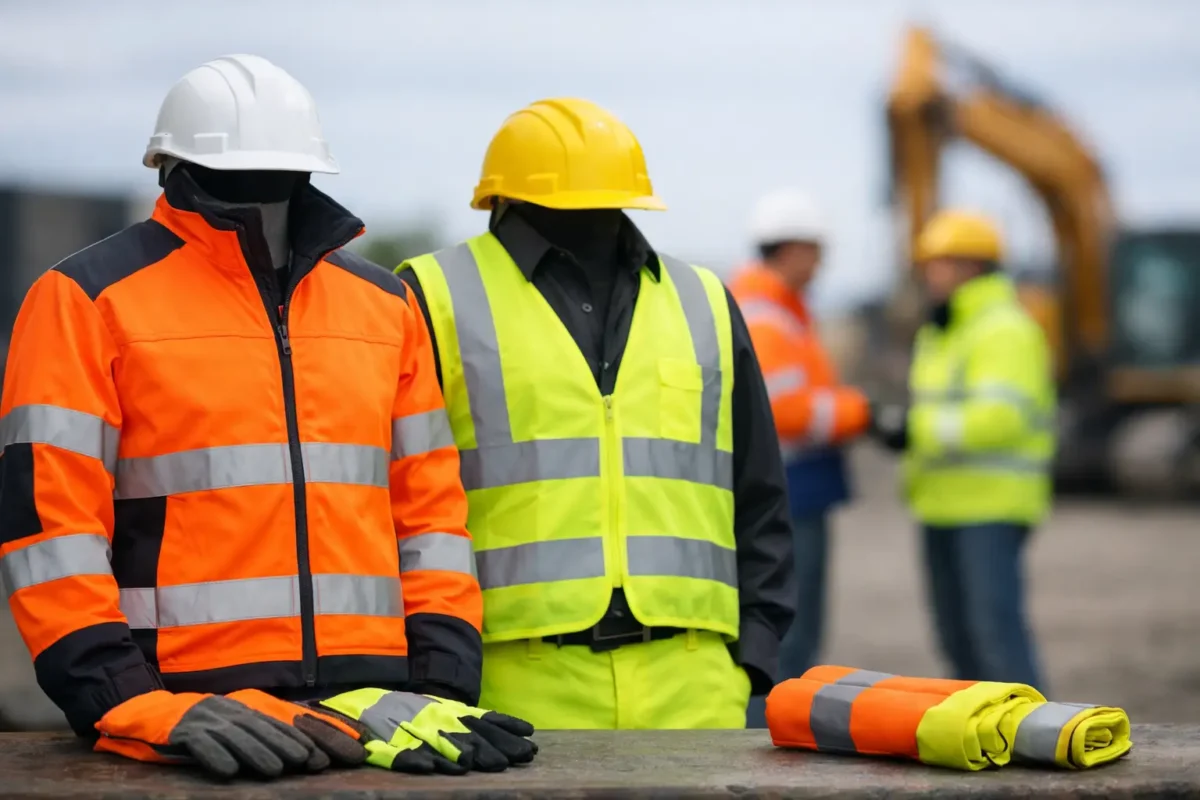
If your team works near moving vehicles, plant, roadside traffic or low-light conditions, hi vis clothing is not a box-ticking exercise. The wrong garment causes problems quickly – poor visibility, restricted movement, overheating, short replacement cycles, and branding that does not last. For employers buying at scale, the right choice comes down to compliance, comfort, and how well the range fits the realities of the job.
What hi vis clothing needs to do on site
At a basic level, hi vis clothing helps workers stand out against the background so they can be seen sooner and more clearly. That sounds simple, but site conditions vary. A rail contractor on a wet winter morning needs something different from a warehouse team working around forklifts indoors, and both differ again from event crews loading in at dawn and packing down after dark.
That is why garment choice should start with the task, not just the price. Visibility matters, but so does wear time, weather exposure, freedom of movement, and whether the garment will be worn over other layers. A hi vis vest may be acceptable for some roles, but in many working environments it is only part of the answer. Jackets, trousers, polos, sweatshirts and coveralls often make more sense when the garment needs to perform through a full shift rather than pass a gate check.
Start with the role, not the catalogue
When organisations buy uniforms in volume, it is easy to default to one line for everyone. That can work, but only if the working conditions are broadly the same. In practice, many businesses have mixed requirements across drivers, yard staff, engineers, installers, warehouse teams and supervisors.
A delivery driver might need a lightweight hi vis softshell that is presentable at customer sites and practical in and out of the cab. A groundworks team may need tougher outerwear, weather protection and hi vis trousers that cope with daily abrasion. Event staff often need easy issue, clear identification and consistent branding across large numbers in a short timeframe. In each case, the buying decision changes because the job changes.
This is where range matters. Short-sleeve options, long-sleeve options, bodywarmers, waterproofs and layered systems all have a place. The best buying decisions usually come from narrowing the selection by environment, shift pattern and season rather than trying to force one garment into every department.
Compliance matters, but so does practicality
Most buyers know they need compliant hi vis PPE, but the detail still matters. Garments need to match the visibility requirement of the role and site rules, not just carry a label. If a client site specifies a certain class or garment type, purchasing needs to reflect that from the outset.
That said, compliance on paper is not enough if garments are uncomfortable or unsuitable. Staff are less likely to wear bulky or badly fitting items properly, especially during long shifts or physical work. Breathability, flexibility and correct sizing all have a direct effect on whether the garment gets used as intended.
This is also where durability enters the conversation. Reflective tape, fabric weight, seam quality and wash performance affect the useful life of the garment. A cheaper option that loses shape, fades or needs replacing quickly is rarely the cheapest route over time. For businesses ordering regularly, replacement frequency becomes a real operating cost.
Choosing the right hi vis clothing by garment type
Vests are often the fastest route for visitors, temporary staff and short-duration tasks. They are straightforward, easy to issue and simple to store in volume. The trade-off is that they offer limited protection from weather and can be a poor fit for teams who spend all day outdoors or need a more professional branded look.
Hi vis polos and T-shirts are a strong option for warmer conditions and active roles. They are more comfortable through a full shift and tend to be better received by staff than basic over-garments. Sweatshirts and hoodies help in colder months, while jackets and softshells are better suited to teams moving between indoor and outdoor work.
Bodywarmers work well where core warmth matters but arm movement cannot be restricted, which is often the case in logistics, yard operations and some trade environments. Trousers and coveralls come into play where lower-body visibility is required or where the task already calls for full-body workwear.
The key point is that no single garment type solves every problem. For many employers, the most practical route is a layered uniform issue – for example, polos for everyday wear, sweatshirts for cooler conditions, and waterproof outerwear when the weather turns.
Branding hi vis garments without creating problems
For many organisations, hi vis clothing also needs to carry a company logo, team name or role identification. That is sensible. Branded garments look more professional, help with identification on busy sites, and create consistency across teams and subcontracted environments.
But decoration method matters. Embroidery is durable and gives a smart finish on many garments, particularly fleeces, polos, sweatshirts and bodywarmers. It is often the right choice where a stitched logo adds to the presentation and the fabric supports it well.
Print is usually the better option on garments where needle holes can affect performance, especially waterproof items. It can also suit larger back prints, role identifiers and designs that need clearer detail or multiple colours. The right decision depends on the garment construction, logo style and where the branding needs to sit.
This is one area where buying from a supplier that understands workwear rather than general merchandise makes a difference. The garment has to do its job first. Decoration should support that, not compromise it.
Buying for teams at scale
The operational challenge with hi vis clothing is rarely the first order. It is what happens after that. New starters need issuing quickly. Sizes need to be consistent. Departments want different combinations. Site managers do not want to spend hours sorting boxes into individual sets.
That is why fulfilment matters just as much as product choice. Employers ordering in volume should think about how garments are packed, labelled and delivered. Individual employee packs save time at issue point. Department sorting reduces internal handling. Reliable lead times make repeat ordering simpler, especially when teams are spread across multiple sites.
For seasonal peaks, events or short-notice staffing, this becomes even more important. Bulk delivery can be right for one project, while named packs are better for ongoing workforce issue. The practical value is the same – less admin, fewer mistakes, and faster deployment.
Common mistakes when ordering hi vis clothing
One of the most common mistakes is buying solely on unit cost. That usually leads to compromises in comfort, lifespan or garment suitability. Another is choosing one style for every role without checking how each team actually works.
Sizing is another avoidable issue. If garments are intended to layer over sweatshirts or jackets, that needs factoring in before ordering. Otherwise, staff end up with items that technically fit but are uncomfortable in use. Branding mistakes can also create delays, particularly when logo files are not properly prepared for print or embroidery.
A further problem is treating hi vis garments as separate from the wider uniform. In reality, most teams need a joined-up issue that covers visibility, weather, company presentation and practical wear across the week. Buying in isolation often creates mismatched ranges and repeat spend that could have been avoided.
A practical buying approach for UK employers
The simplest way to buy well is to narrow the decision in this order: role, risk, environment, garment type, branding method, then fulfilment. That keeps the focus where it should be. What does the wearer actually need to do, under what conditions, and how will the garment be issued and replaced?
For some organisations, that may mean a straightforward stock line with a left chest logo. For others, it means building out a more structured range by department or profession. Construction, highways, warehousing, healthcare logistics and events all buy differently because the work is different.
A supplier with a broad workwear catalogue and in-house branding support can make that process much easier. If you are ordering for multiple roles, need guidance on print versus embroidery, or want garments packed in a way that cuts internal admin, it is worth dealing with a partner set up for uniform supply rather than ad hoc garment sales. Vivid Promotion supports businesses across the Midlands and nationwide with that kind of practical, end-to-end approach.
The best hi vis clothing is not simply the brightest option on the rail. It is the range your team will wear properly, that stands up to the job, and arrives ready to issue when you need it.