Branded Workwear
Best Hi Vis Clothing for Construction Sites
Mar
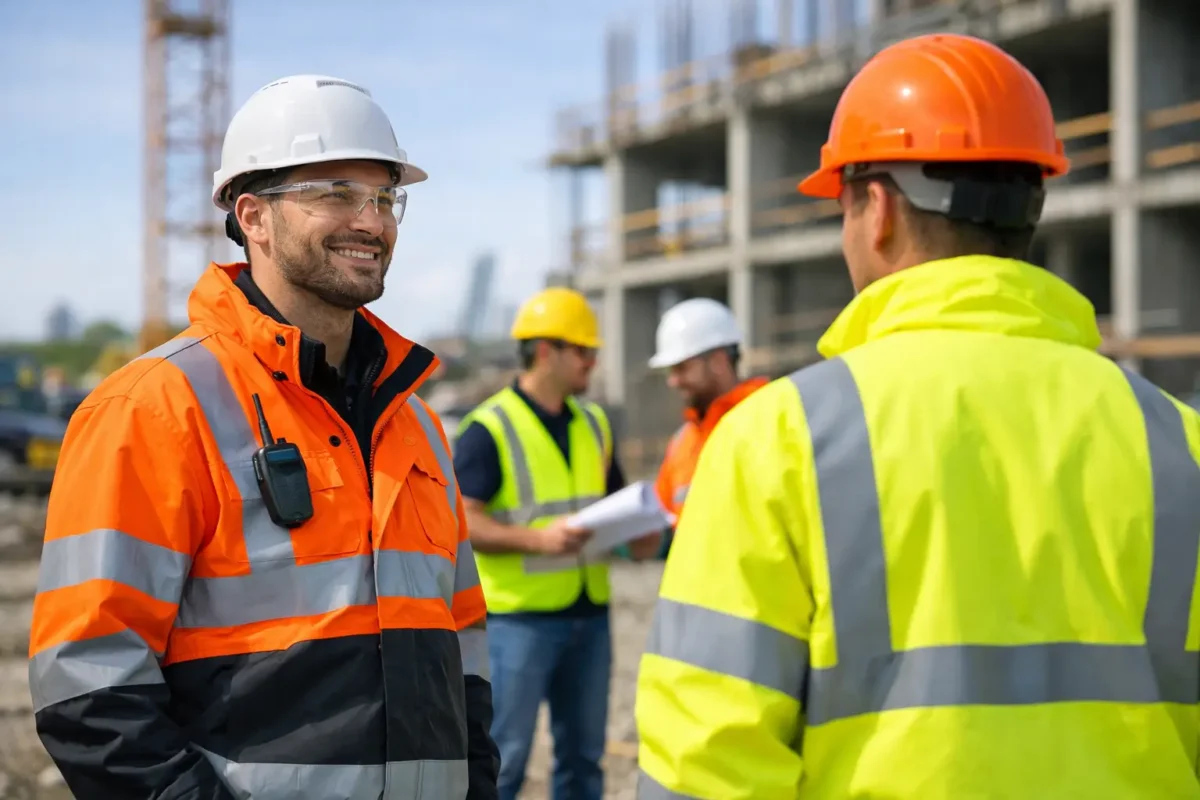
A groundworker on a wet January site does not need the same kit as a traffic marshal on a live roadside job, and neither should be buying hi-vis on guesswork. The best hi vis clothing for construction is the gear that matches the work, the weather, the site rules and the level of branding your business needs – without creating problems for comfort, movement or replacement cycles.
For most construction buyers, the mistake is not buying poor-quality garments. It is buying one type of hi-vis for every role and hoping it covers everyone. That usually leads to operatives overheating, waterproofs being worn when they are not needed, or staff ignoring layers because the fit is wrong. A better approach is to build your range by task, then standardise the garments that make sense across crews.
What makes the best hi vis clothing for construction?
Start with the basics. Construction hi-vis needs to do three jobs well. It must keep workers visible, hold up to regular use, and fit properly over the rest of the uniform. If any one of those is off, the garment becomes a weak point rather than a safety measure.
Visibility is not just about bright colour. The placement and durability of reflective tape matter, especially on garments that are washed often or exposed to dirt, cement dust and site abrasion. A jacket that starts out compliant but loses reflectivity after repeated laundering is not much use in practice.
Durability matters just as much. Site clothing gets dragged across materials, caught on edges, worn under harnesses and thrown in vans. Lightweight garments have their place, especially in summer, but buyers need to be realistic. If the work is heavy and the turnover is high, paying slightly more for tougher fabrics can reduce replacement frequency.
Fit is often overlooked by procurement teams until staff start swapping sizes between themselves. Construction workers need room to move, kneel, lift and climb. If hi-vis is too bulky, it gets left unzipped. If it is too tight over hoodies or fleeces, it gets replaced with non-compliant layers. The right fit is part of compliance, not a nice extra.
The core hi-vis clothing categories that work on site
The most effective construction issue is usually a layered system rather than one all-purpose garment. That gives site managers more control and avoids over-specifying every item.
Hi-vis waistcoats and vests
These are still useful, but mainly as entry-level sitewear, visitor issue or a top layer over other clothing. They are cost-effective and simple to hold in volume, especially for short-term contractors or mixed site attendance.
That said, they are rarely the best long-term answer for core site teams. A waistcoat adds visibility, but not weather protection, warmth or abrasion resistance. For buyers outfitting regular staff, it often makes more sense to treat waistcoats as a backup rather than the main uniform item.
Hi-vis polo shirts and T-shirts
For spring and summer, these are often the most practical option for trades who need visibility without too much bulk. They suit groundwork, warehousing around construction compounds, and indoor fit-out phases where waterproof layers are unnecessary.
Breathability matters here. Cheap hi-vis tees can feel heavy and sticky by midday, particularly on active jobs. A better-quality polo or wicking T-shirt gives crews something they will actually wear properly. It also presents the business more consistently if you are adding company branding.
Hi-vis sweatshirts and hoodies
These work well for cooler conditions and are often preferred by operatives who need warmth without the stiffness of a jacket. They are a good middle layer for dry days and can cover a lot of the working year in the UK.
The trade-off is straightforward. Hoodies and sweats are comfortable, but they are not waterproof and they can become too warm for high-output tasks. They are best used as part of a layered issue rather than as the only winter garment.
Hi-vis softshells and fleeces
These are useful where workers need flexibility and light weather protection. A softshell is a sensible choice for supervisors, surveyors, drivers and site staff moving between indoors and outdoors, because it is smarter than a standard fleece and less bulky than a full waterproof jacket.
For tougher weather exposure, though, a softshell has limits. It will handle light showers and wind better than a sweatshirt, but on open sites in persistent rain, crews will still need a proper waterproof outer layer.
Hi-vis jackets and coats
If you are buying for winter or all-weather site use, this is where more of the budget should go. Good hi-vis jackets need to balance waterproofing, warmth and ease of movement. If they are too heavy, people avoid them. If they are too thin, workers layer bulky clothing underneath and compromise fit.
The best results usually come from choosing jackets based on site exposure. General builders may only need a reliable waterproof shell over mid-layers, while highways or civils teams working in exposed areas may need insulated jackets designed for prolonged outdoor wear.
Hi-vis trousers
Trousers are often the difference between a basic hi-vis issue and a properly thought-through one. On some sites they are essential, particularly where visibility from all angles matters or site rules require full-body hi-vis.
For construction, durability and practicality matter more than appearance. Look for knee pad pockets, reinforced stress points and enough pocketing for day-to-day use. Waterproof overtrousers are worth considering for specific teams, but they are not always ideal for all-day wear because they can become hot and restrictive.
Choosing the best hi vis clothing for construction by role
Different jobs create different wear patterns, visibility risks and comfort requirements. Buying by role is usually more cost-effective than issuing the same bundle to everybody.
Groundworkers and general trades often need durable polos, sweatshirts, hi-vis trousers and a waterproof jacket. They tend to be active, so breathability and movement count for a lot. Traffic marshals and roadside teams usually need higher visibility coverage and more weather protection because they spend long periods exposed and stationary.
Supervisors, visiting engineers and managers often need a cleaner presentation with less heavy-duty wear. A hi-vis softshell or jacket over branded layers can be a better fit than basic sitewear, especially where client-facing appearance matters. Delivery and yard staff may need something simpler again – typically polos, waistcoats and a reliable outer layer.
This is where standardised buying helps. If you separate garments into role-based bundles, reordering becomes easier and replacement patterns are clearer.
Compliance is only part of the buying decision
Buyers should always check the relevant safety requirements for their site and the garment specification, but compliance on paper is not the whole story. A compliant garment that workers dislike wearing can still create practical failures.
Fabric weight, cut, zip quality, cuff design and pocket placement all affect how a garment performs day to day. So does wash life. Construction kit is not treated gently, and frequent laundering can shorten garment life faster than buyers expect.
Branding needs thought as well. Embroidery works well on many workwear items, but not every hi-vis garment should be decorated in the same way. Waterproof garments, in particular, often suit print better than embroidery because stitching can create needle holes. That is the kind of detail that saves problems later and keeps the garment fit for purpose.
Buying for scale without creating admin problems
Construction firms rarely struggle with choosing one jacket. The bigger challenge is issuing the right mix of sizes, layers and branded items across multiple people, then doing it again when crews change or projects expand.
That is why garment range matters just as much as the product itself. If your supplier can support consistent stock, sensible lead times, and packing that reduces sorting time, uniform issue gets easier. For larger teams, per-employee packing can remove a surprising amount of internal admin, especially when site starts are tight and managers do not have time to split orders by hand.
For businesses ordering branded sitewear regularly, it also helps to work with a supplier that understands decoration methods as part of the process, not as an afterthought. Vivid Promotion supports that practical side of workwear buying through garment selection, branding and fulfilment, including sorted issue for larger orders.
What a sensible construction hi-vis bundle looks like
Most firms do not need dozens of options. They need a dependable range that covers most conditions. For many construction teams, that means a breathable hi-vis polo or T-shirt for warmer months, a sweatshirt or hoodie for layering, a waterproof hi-vis jacket for poor weather, and hi-vis trousers where site requirements or role exposure justify them.
Add waistcoats for visitors and occasional contractors, then review specialist roles separately. That keeps the core range tidy while still allowing for proper issue by task.
A cheaper garment can still be the right choice for temporary labour, short-term projects or visitor stock. A more durable option is usually better value for permanent crews. It depends on who is wearing it, how often it is washed, and whether replacement costs are hitting budget more than they should.
The right construction hi-vis range is not the one with the longest spec sheet. It is the one your team will wear properly, your buyer can reorder without hassle, and your business can issue with confidence when the site opens on Monday morning.