No products in the basket.
Branded Workwear
Waterproof Workwear Comparison for UK Teams
25
Sep
Sep
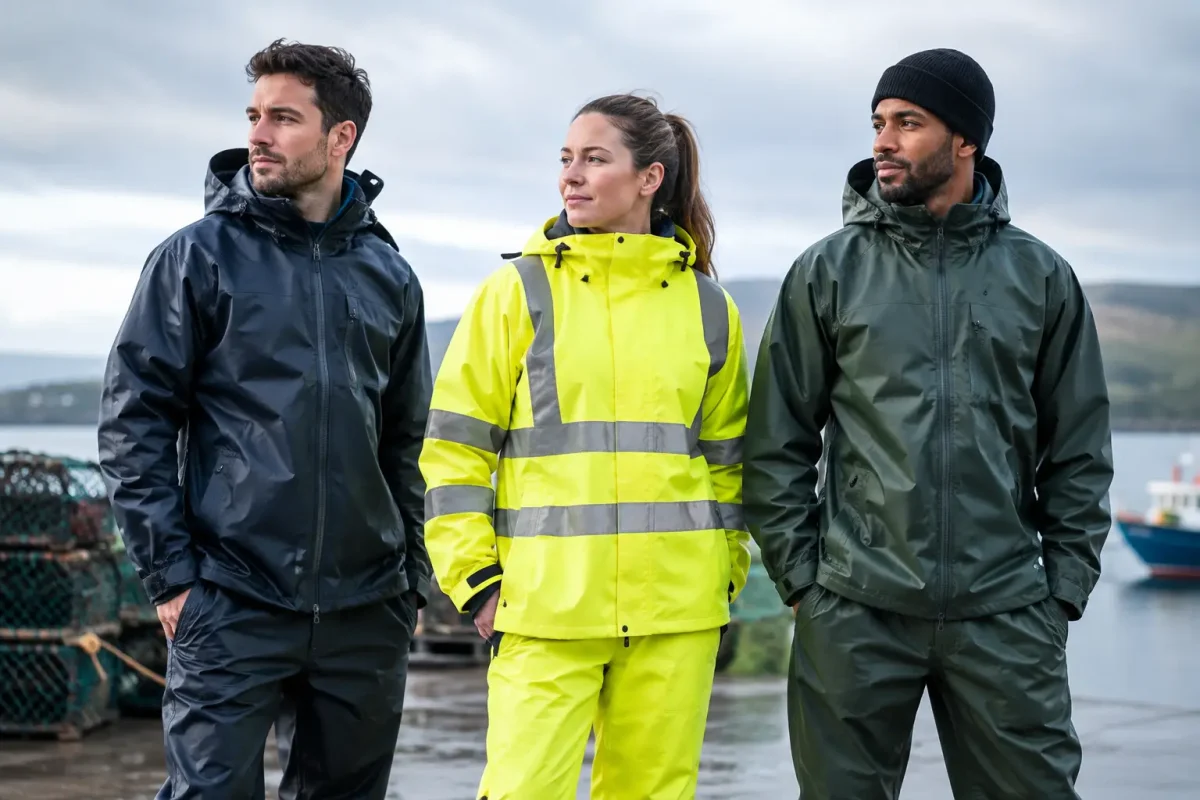
A wet forecast is not the same thing as a waterproof uniform requirement. A delivery driver stepping between a cab and customer sites needs a different garment from a groundworks team exposed to rain for eight hours. This waterproof workwear comparison focuses on the decisions that affect comfort, safety, logo application and replacement costs – not just whether a jacket has a hood.
Waterproof Workwear Comparison: Start With the Job
The right choice starts with where the wearer spends their shift, how active they are and what sits underneath the outer layer. For occasional showers, a lightweight waterproof jacket may be enough. For outdoor construction, highways, security or facilities teams, a more protective waterproof and breathable system is usually the sensible route.
Waterproof workwear is commonly sold as a jacket, overtrouser, coverall or insulated coat. It can also be combined with high-visibility specifications where the role demands it. Buying the same outerwear for every department may simplify the order, but it can create problems later: office-based staff overheat, active workers feel restricted, and exposed crews are left underprotected.
Think in terms of working conditions rather than job titles. A landscaping team, for example, may need waterproof trousers, adjustable cuffs and a longer back to cover bending and kneeling. A field engineer may put more value on a packable shell, secure pockets and easy access to tools. Event crew often need reliable rain protection that still presents a consistent branded appearance when working in public.
Waterproof, Water-Resistant or Showerproof?
These terms are often treated as interchangeable. They are not.
A showerproof or water-resistant garment deals with light, short-lived rain. It is often lighter and can be useful for staff moving between vehicles, buildings or sites. It is not the best option for teams expected to remain outside during prolonged rain.
A waterproof garment uses a coated or laminated fabric, taped seams, or both, to prevent water entering through the material and stitching lines. Taped seams matter. Even a highly water-repellent face fabric can leak at untreated seams when rain persists or when the wearer is moving, carrying equipment or working in a crouched position.
For planned outdoor work, specify properly waterproof outerwear rather than relying on a softshell or a showerproof jacket. Softshells are comfortable, smart-looking and useful in cool, dry or lightly damp conditions, but they are normally best viewed as a mid-layer or fair-weather outer layer. They should not replace waterproof protection on consistently wet sites.
How to Read Waterproof Performance
Product specifications can look technical, but the key measures are straightforward. A hydrostatic head rating indicates how much water pressure a fabric can withstand before water passes through. A higher figure generally means greater waterproof protection, although the garment’s construction still matters.
For short periods outside in normal rain, a modest waterproof rating may be suitable. For workers facing prolonged rainfall, kneeling on wet surfaces or working in exposed areas, choose a higher-rated garment with taped seams and reliable closures. Zip storm flaps, adjustable hoods, cuff tabs and drawcord hems all reduce the points where rain can enter.
Breathability is the other half of the decision. Workers who walk, lift, load, install or carry out physical trade work generate heat quickly. A completely waterproof jacket that traps perspiration can leave the wearer damp from the inside, which is uncomfortable and can make the garment less likely to be worn.
Look for breathable fabrics and practical ventilation, such as underarm or back vents, where the work is active. However, breathability has a trade-off: highly technical fabrics can increase garment cost, and their performance depends on correct care. Dirt, oils and repeated washing can affect how well the outer surface sheds water.
Construction Details That Matter on Site
The label may state that a garment is waterproof, but small design details decide how it works through a long shift. A detachable hood is useful where workers move between outdoor and indoor duties. A fixed hood can offer fewer gaps in protection but may be less convenient around machinery or in confined working areas.
Pocket design deserves attention too. External patch pockets can collect water if they are not well protected. Zipped chest pockets are useful for phones and documents, while large lower pockets suit gloves and everyday items. For work involving tools, make sure pocket placement does not clash with harnesses, belts or vehicle seating.
Check sizing with the intended layers in mind. Waterproof shells are often worn over polos, fleeces or sweatshirts. A jacket that fits neatly over a T-shirt may restrict movement once a fleece is added. Ordering a size run for a wearer trial can prevent a costly issue across a large uniform roll-out.
Jacket, Coat, Trouser or Full Waterproof Set?
A jacket is the most common starting point and suits teams who need flexible protection throughout the year. A lightweight shell works well for mobile staff and can be stored in a vehicle. An insulated waterproof coat is better for winter-facing roles where cold and rain arrive together, but it may be too warm for active work or milder months.
Waterproof trousers are often overlooked until staff are working on wet ground or in driving rain. They make sense for construction, utilities, landscaping, traffic management and outdoor event roles. Overtrousers should be easy to pull on over work trousers and boots, with practical ankle adjustments or side openings where needed.
A full waterproof set is normally the right choice for teams with sustained outdoor exposure. It costs more upfront than issuing jackets alone, but it gives staff the complete protection required for a shift rather than leaving them to supply unsuitable trousers themselves. For organisations ordering at scale, keeping a small reserve of common sizes is also sensible for new starters and damaged-garment replacements.
Hi-Vis Waterproof Workwear Needs a Separate Check
If visibility is part of the role, do not assume that any fluorescent waterproof jacket is suitable. Hi-vis garments are selected for a defined level of conspicuity, with requirements around background material and reflective tape. The correct class depends on the risk assessment, site rules and working environment.
A warehouse yard, roadside location and rail-related setting may each impose different requirements. The garment also needs to remain compliant in use, which means keeping reflective tape clean, replacing damaged items and following wash instructions. A printed logo must be positioned carefully so it does not interfere with reflective bands or the area needed for visibility.
For teams working in heavy rain, combine the hi-vis requirement with genuine waterproof construction. A lightweight high-visibility vest over a standard waterproof jacket may be acceptable in some settings, but it is not always the cleanest or most practical solution. A dedicated hi-vis waterproof outer layer can reduce layers and make the uniform easier to manage.
Branding Waterproof Garments Without Compromising Them
This is where a standard workwear order needs a different approach. Embroidery creates needle holes, so it is generally not the preferred decoration method for waterproof jackets and trousers. Those holes can compromise the garment’s waterproof barrier, especially across a larger stitched logo.
Print is usually the better option for waterproof outerwear. It allows logos, names and identifiers to be applied without piercing the fabric, while still giving clear brand visibility. The print method should be matched to the garment material and the intended use, as a finish that works on a cotton polo may not perform properly on a coated waterproof shell.
Logo position matters. A left chest print is a common choice, but it must avoid pockets, seams, reflective tape and zip lines. Back printing can improve recognition for mobile teams, security staff and event crews, provided it does not affect any hi-vis design requirements. Supply a clean version of the logo early, as artwork may need converting to suit garment printing.
Durability, Care and Replacement Planning
Waterproof performance is not permanent if garments are washed incorrectly or left contaminated with mud, cement dust, oils or chemicals. Follow the care label and use cleaning methods suitable for technical outerwear. Fabric conditioners are often a poor choice because they can affect water-repellent finishes and breathability.
A garment that is still structurally sound but begins to wet out on the surface may need its water-repellent finish restored. That is different from water leaking through damaged seams or worn fabric, which is a replacement issue. Site managers should encourage staff to report failures early rather than working in unsuitable kit.
For repeat orders, record the garment code, colour, decoration placement and approved artwork. This avoids inconsistencies when new employees join or when departments reorder at different times. Vivid Promotion can also support sorted, per-employee packaging so uniforms arrive ready to issue rather than creating a sorting job for your office or site team.
Make the Purchase Decision on Real Conditions
The cheapest waterproof jacket can be the most expensive choice if it fails halfway through a winter contract, cannot carry the required branding correctly or is too uncomfortable for staff to wear. Equally, the highest-specification technical shell is unnecessary for a team that only needs protection walking between car parks and buildings.
Set the requirement around exposure time, activity level, layering, visibility standards and branding position. Then test the selected garment with the people who will wear it. A short wearer trial in real weather often reveals more than a product description, and it gives your team a practical uniform they will actually keep on when the rain starts.