No products in the basket.
Branded Workwear
How to Bundle PPE for Teams Properly
10
May
May
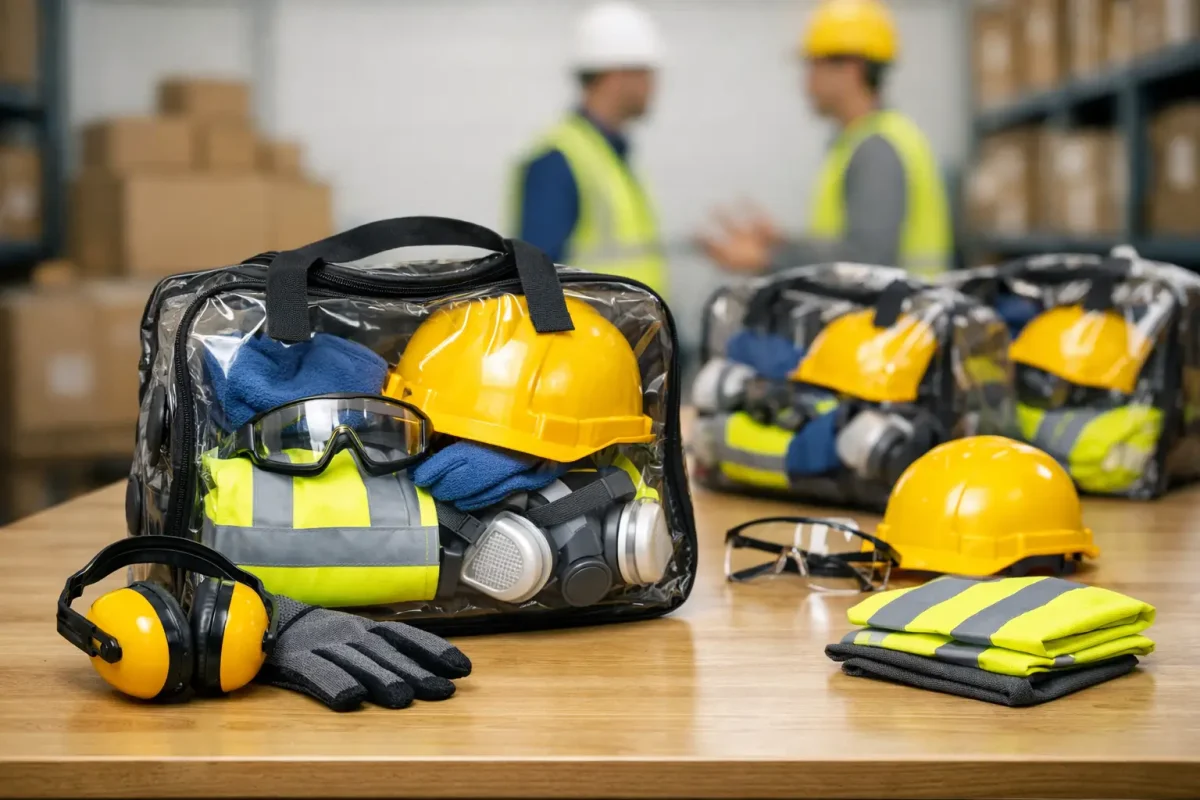
When a new starter turns up on site without the right kit, the problem usually is not stock. It is process. Knowing how to bundle PPE for teams means planning around roles, risk, sizing and issue logistics so every person gets exactly what they need, packed in a way that saves time rather than creating more work.
For most organisations, PPE bundling works best when you stop thinking in single products and start thinking in job-ready sets. A groundworks team does not buy one hi-vis vest, one pair of gloves and one jacket. They need a consistent pack that matches the role, the season and the site rules. The same applies to care teams, warehouse staff, facilities crews and event operatives. If the bundle is built properly, ordering gets quicker, issuing gets easier and repeat purchasing becomes far more controlled.
Start with roles, not products
The biggest mistake is building bundles around what is easy to source rather than what people actually wear. If you want to get how to bundle PPE for teams right, begin with job function. A site supervisor may need different visibility standards, outerwear and branding treatment than a labourer. A mobile engineer may need fewer heavy items but more weather protection. A care worker may need tunics or scrubs alongside disposable protective items.
This matters because one generic pack often creates waste. Some staff will receive items they never use, while others still need extras added manually. That pushes admin back onto your team and weakens cost control. A better approach is to create role-based bundles with a shared core and then a few position-specific variations.
In practice, that often means setting a standard issue for everyone in a department, then adding selected items by task. For example, all warehouse staff may receive branded polos, sweatshirts and hi-vis outerwear, while forklift operators also get weatherproof layers suited to yard work. The bundle stays consistent, but it reflects real use.
Build the bundle around compliance first
Before you think about logo placement or garment colours, check the protection level required for the environment. PPE has to do the job first. That sounds obvious, but businesses still get caught out by choosing cheaper garments that do not match the conditions teams are working in.
Hi-vis is a good example. A lightweight vest may be suitable for visitors or occasional use, but it may not be enough for staff working daily outdoors across changing weather. Trousers, jackets, softshells or waterproof layers might be more practical depending on the site and season. If workers need to stay visible and protected throughout a long shift, comfort and durability matter just as much as the standard itself.
The same applies to branded decoration. Embroidery is often the better choice for fleeces, polos, sweatshirts and many standard workwear garments because it is durable and smart. But on waterproof garments, print can be the better option if you want to avoid needle holes affecting performance. A good bundle is not just compliant on paper. It also respects how the garment is made and how it will be used.
Decide what belongs in every pack
Once roles and compliance needs are clear, define the fixed contents of each bundle. Keep this tight. The aim is to create issue-ready packs, not padded orders.
A useful bundle usually includes base garments, outer layers and any role-specific PPE essentials. For a trade or site team, that might mean branded T-shirts or polos, sweatshirts or hoodies, hi-vis waistcoats or jackets, and work trousers. For colder months, adding a fleece, bodywarmer or waterproof coat may be the practical difference between kit that gets worn and kit left in the van.
Quantity matters as well. One polo and one hoodie may look tidy on a quote, but it is often not enough for a five-day working week. If staff are expected to look presentable and stay compliant, the bundle should reflect realistic wear cycles and washing frequency. That is especially important for frontline teams, schools, healthcare settings and any customer-facing environment.
Get sizing under control early
Most PPE bundle problems show up at sizing stage. If sizes are collected late, or taken informally, you end up with reorders, returns and delayed issue dates. For larger teams, that quickly becomes expensive.
The practical way to handle this is to gather sizes before the order is built into production. Some businesses use a spreadsheet by employee name, department and garment type. Others split by location or manager. The exact format matters less than accuracy and consistency. What you need is one approved list that includes wearer names, garment sizes, any special requirements and the bundle assigned to that person.
It also helps to remember that fit varies across brands and garment types. A softshell fit is not the same as a sweatshirt fit, and work trousers can differ again. If your workforce includes a mix of departments, trial sizing on key garments can save a lot of time later. That is particularly worthwhile when standardising a new uniform rollout across multiple sites.
Think about issue and distribution before you order
A bundle is only useful if it arrives in a way your organisation can issue quickly. This is where many suppliers stop at product supply, leaving the buyer to sort, label and distribute everything internally. For a small team that may be manageable. For a multi-site business, school, care group or contractor, it becomes a drain on labour.
That is why packaging format should be part of the bundle decision, not an afterthought. If packs are organised by employee, labelled clearly and delivered ready to hand out, you remove a major admin job. Site managers do not need to split cartons. Office staff are not matching names to sizes. New starters can be issued kit straight away.
This is often where a supplier adds the most value. Vivid Promotion, for example, supports per-employee packaging because it reduces internal handling and helps teams issue branded workwear and PPE with far less friction. For event or trade customers, bulk pallet delivery may be the better fit. The right method depends on how your team receives and uses the order.
Keep branding practical
For many organisations, PPE also needs to support brand presentation. That does not mean every item needs heavy decoration. It means choosing the right logo treatment on the right garments.
On everyday layers such as polos, sweatshirts and fleeces, embroidered logos usually give a professional, durable finish. On lightweight or weatherproof garments, print may be more suitable. Placement matters too. A left chest logo is standard because it is consistent and cost-effective, while larger back prints may be useful for contractors, event teams or anyone needing stronger brand visibility at distance.
The trade-off is cost and garment suitability. More print positions increase spend. Larger logos can affect breathability or feel on some items. If a bundle needs to balance compliance, durability and presentation, keep branding simple and repeatable.
Manage budget without stripping out what matters
Bundling is one of the easiest ways to control uniform spend, but only if you standardise with purpose. The goal is not to buy the cheapest possible pack. It is to create a repeatable package that covers the job properly and reduces one-off purchases.
That often means deciding where to invest and where to simplify. If staff work outdoors daily, better outerwear is usually money well spent. If a garment is only worn occasionally, a simpler option may be enough. It depends on role, replacement cycle and how visible that item is in day-to-day use.
The strongest PPE bundles usually have three qualities. They are specific enough to suit the job, standard enough to reorder easily, and flexible enough to handle seasonal changes or team growth. If your bundle cannot cope with new starters, winter weather or site variation, it will not stay efficient for long.
Review your PPE bundles after the first rollout
Even a well-planned pack benefits from review. After the first issue, check what was worn most, what was left unused and where fit or garment choice caused problems. Site managers and team leaders usually know very quickly whether a bundle works in real conditions.
Do not treat that feedback as a failure. It is how you tighten the next order. One extra midlayer, a different trouser fit or a change from embroidery to print on a waterproof can make the whole programme run better. The point of bundling is not perfection on day one. It is building a reliable system for future supply.
If you are working out how to bundle PPE for teams, keep the focus on the day the kit gets issued and worn. The right bundle is not just a tidy order line. It is one that fits the role, meets the requirement, arrives packed sensibly and saves your business from sorting the same problems twice.